La PhilomobilePhilomobileBy Laurence Bouchet
Français · Español · ← Back to home

THE PHILOSOPHICAL JOURNAL

Texts to
keep thinking with.

These texts do not offer definitive truths, but hypotheses to examine. They are an invitation to question, to enter into dialogue and to carry the reflection further. Your point of view is welcome.

Only part of the journal is available in English so far. the full archive is in French.

Photograph: a small boy, standing with his back to us at the foot of a large ochre-yellow wall, looks up at an immense shadow cast on the wall, far bigger than he is.

Does feeling more strongly mean perceiving more accurately? When the intensity of our emotion becomes proof of someone else’s fault, feeling stops being a piece of experience and becomes a verdict. A case for a sensitivity to injustice that is not exalted, but educated.

Read the full article →
Reflections · October 5, 2026
Sensitivity to Injustice

A red, black and cream illustration: a figure seen from behind stands at the fork of two pale paths, amid a tangle of dark ramps crossing over one another.

Nuance is readily set against binary thinking. But nuance has two uses: one makes a thought more precise, the other makes it so indeterminate that it escapes examination. Socrates did not ask Protagoras for a simple world, only for answers clear enough to be put to the test.

Read the full article →
Philosophical Practice · September 29, 2026

Rehabilitating Binary Thinking

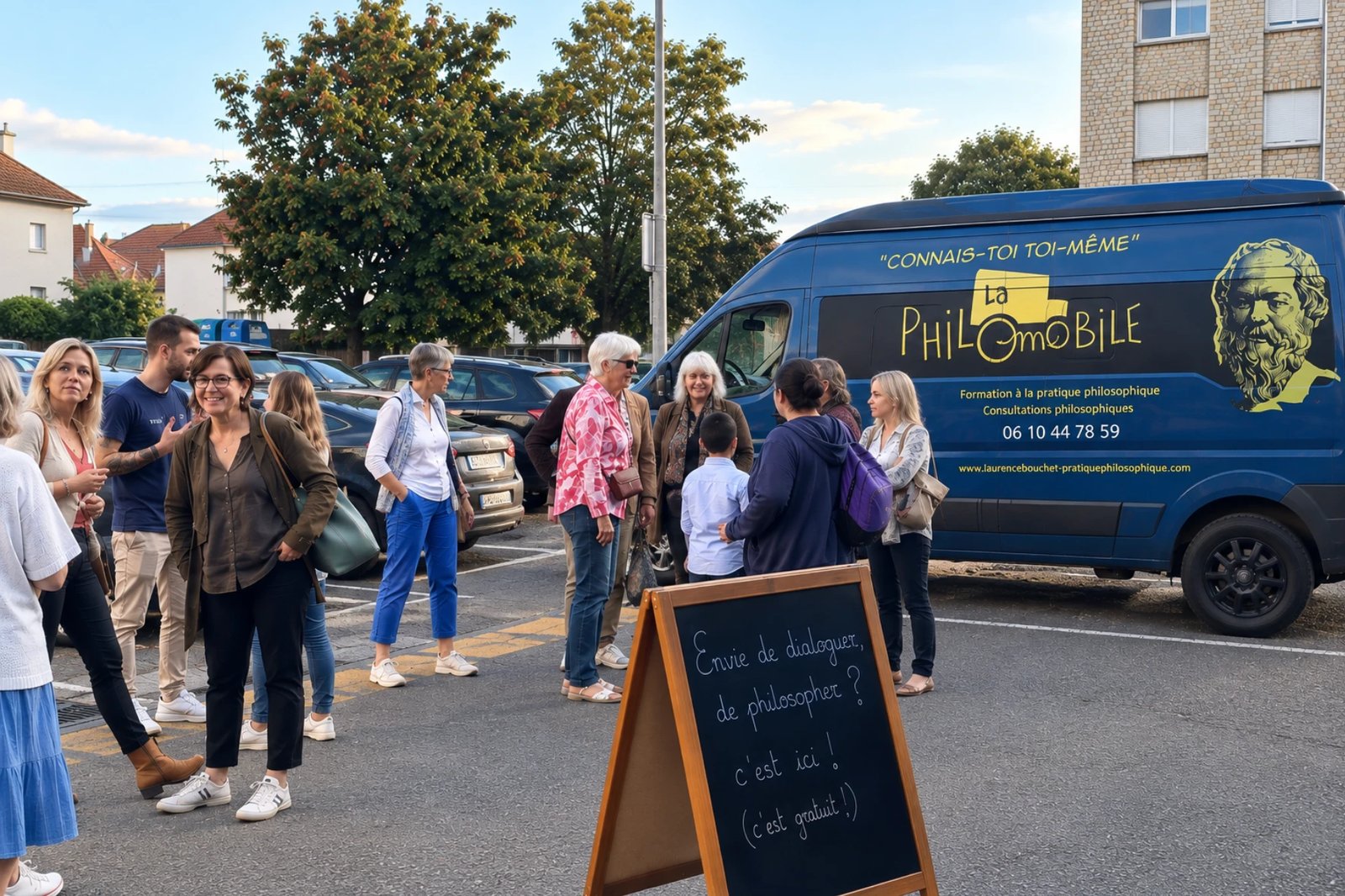
The Philomobile, a blue van bearing the words “Know thyself” (in French), parked in a car park. In front of it, passers-by chat in small groups; in the foreground, a chalkboard sign reads, in French: “Want to talk, to philosophize? It’s here! (It’s free!)”

We often speak of “philosophical practice” in the singular, yet it takes very different forms. Socratic dialogue, Philosophy for Children, DVP, philosophical counseling, neo-Socratic dialogue, philosophy cafés: an overview of the main approaches, what they share and what divides them.

Read the full article →
Philosophical Practice · September 19, 2026

The Different Approaches to Philosophical Practice

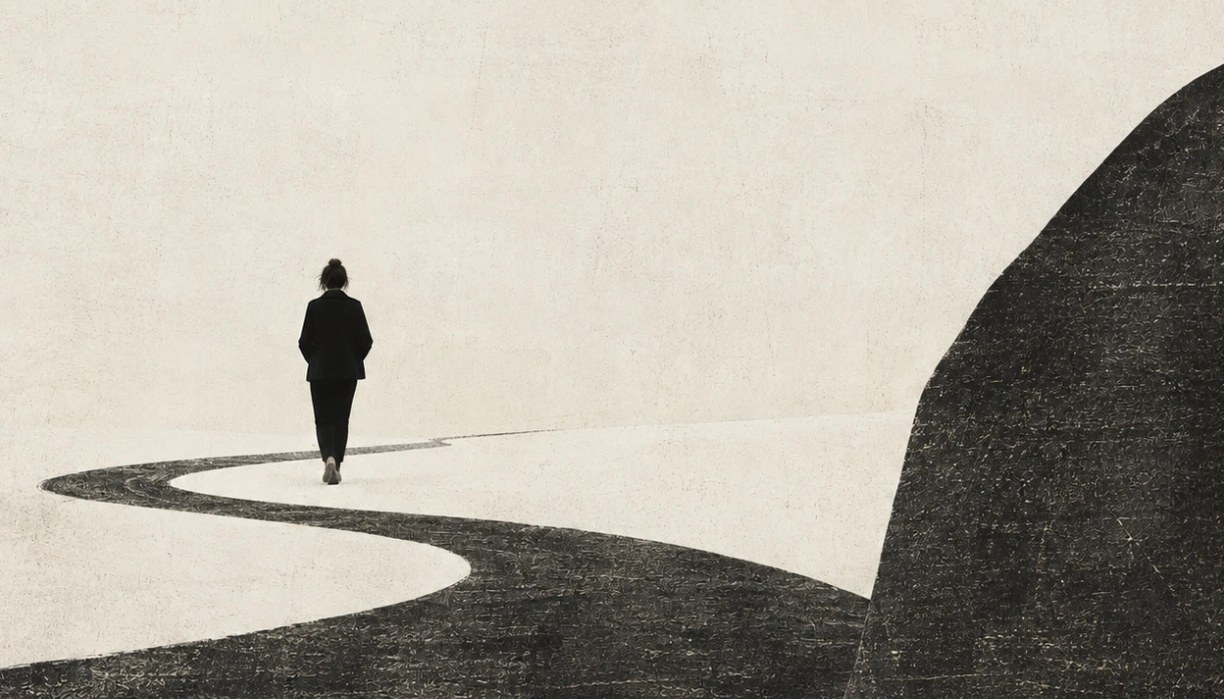
A black-and-cream illustration: a lone figure, seen from behind, walks along a winding path that snakes across a vast pale expanse.

Why do we need so badly for something to be happening? In a meeting, a discussion group or in front of a screen, the abundance of words and stimulations gives the feeling of rhythm without any thought being built. A reflection on fertile slowness, on the effort of giving thought a direction, and on the conceptual fog that shields a discourse from criticism.

Read the full article →
Philosophical Practice · September 14, 2026

When Thinking Takes Its Time

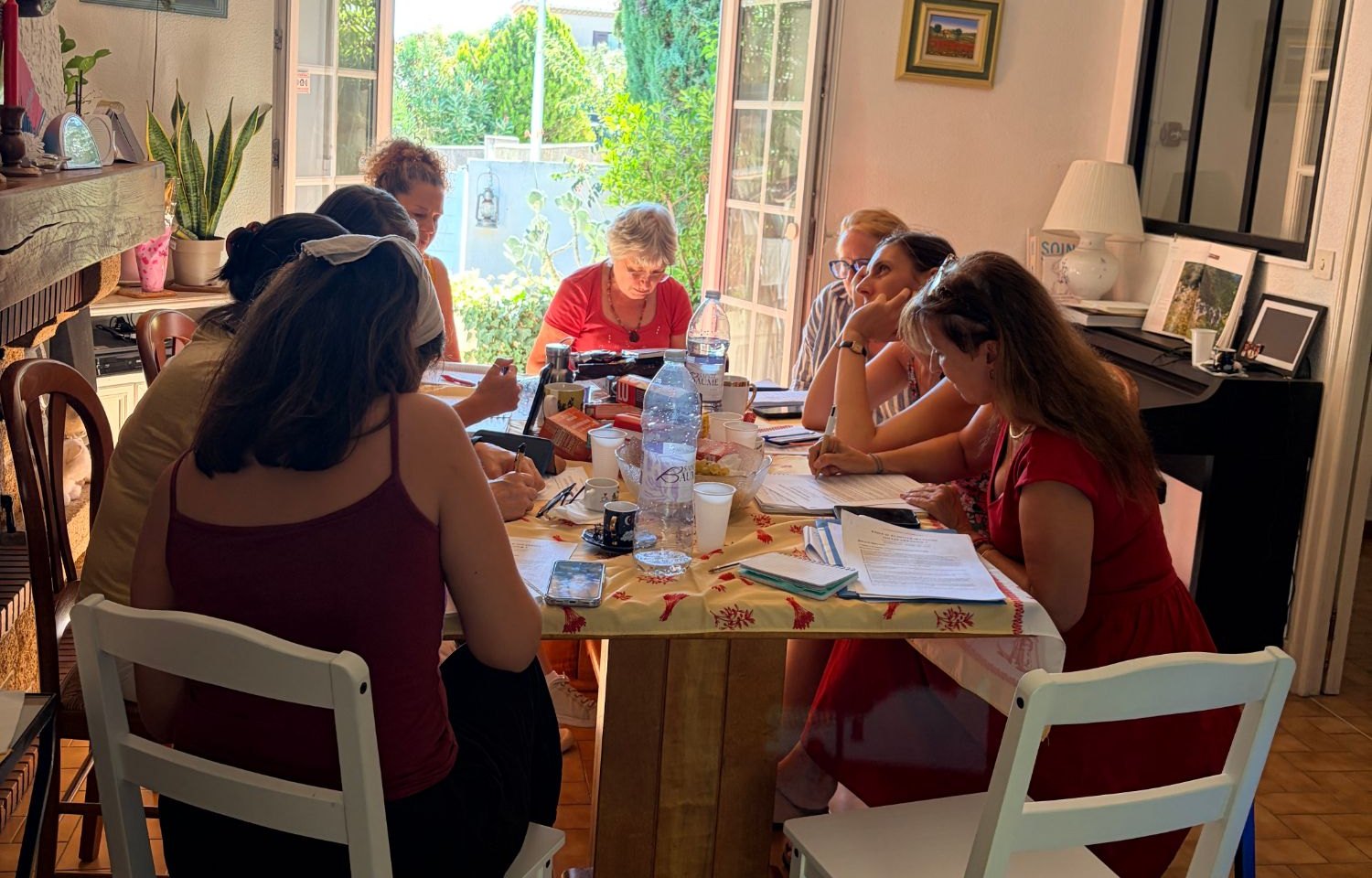
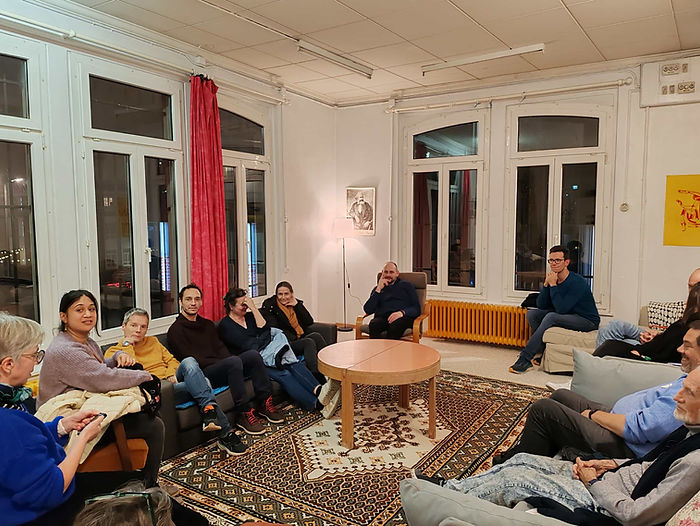
The participants of the retreat “Should we listen to our fears or overcome them?” gathered around a table in Marseille, with the doors open onto the garden.

Should we listen to our fears or overcome them? Fear of judgement, of failure, of abandonment, of depending on others: our fears sometimes organize our lives without our knowing it. With Spinoza and Socrates, a reflection born of a philosophical practice retreat on the avoidance strategies we build so as never to be afraid again — and on what they end up costing us.

Read the full article →
Reflections · September 3, 2026

What Our Fears Make Us Do

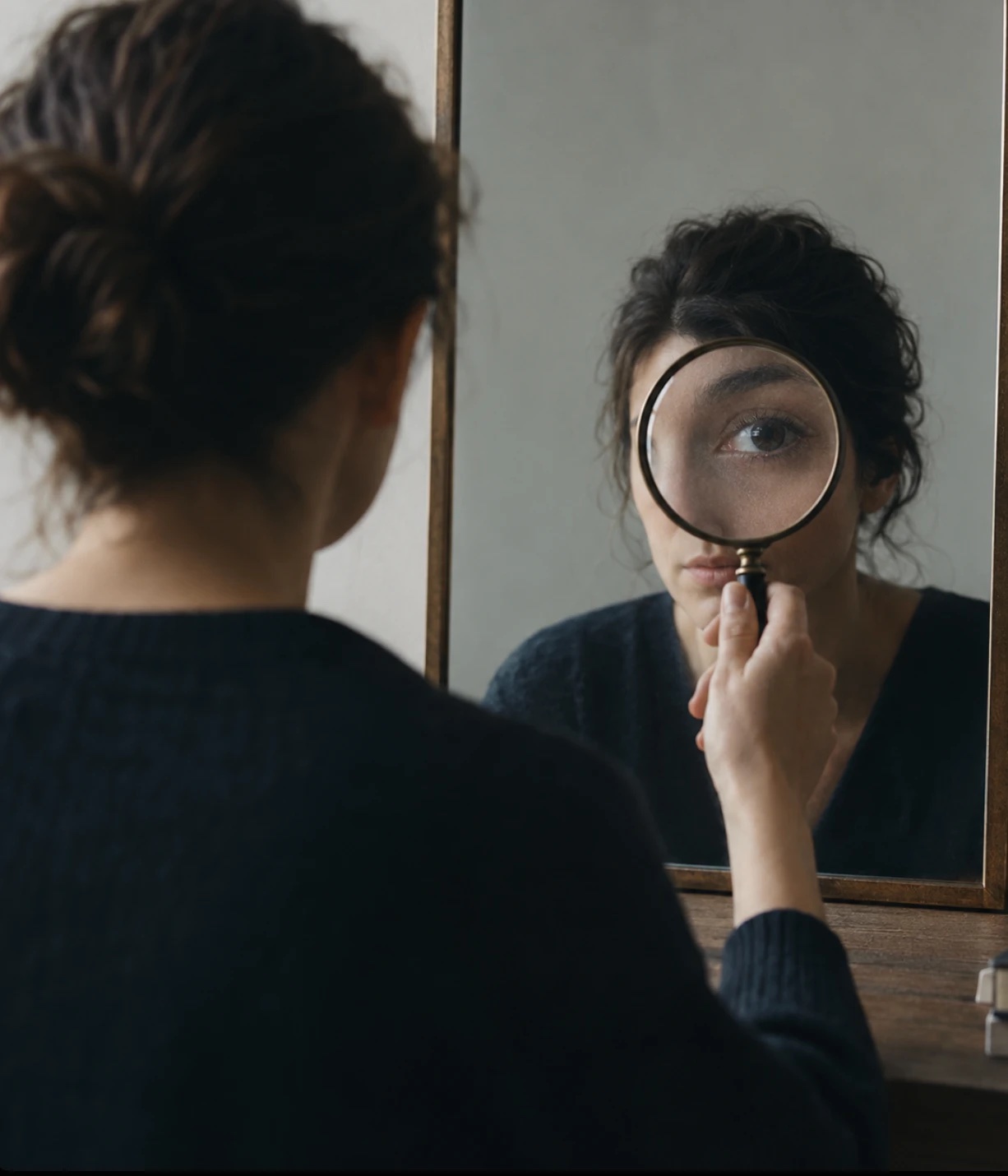
A woman looks at her reflection in a mirror while holding a magnifying glass to her eye, in warm, intimate light.

We’re quick to demand that others admit their wrongs, but facing our own mistakes is a different matter entirely. Why do we so easily confuse a single fault with a verdict on who we are? A reflection on confession, self-criticism, and the fear of losing our place among others.

Read the full article →
Reflections · August 18, 2026

Why Is It So Hard to Question Ourselves?

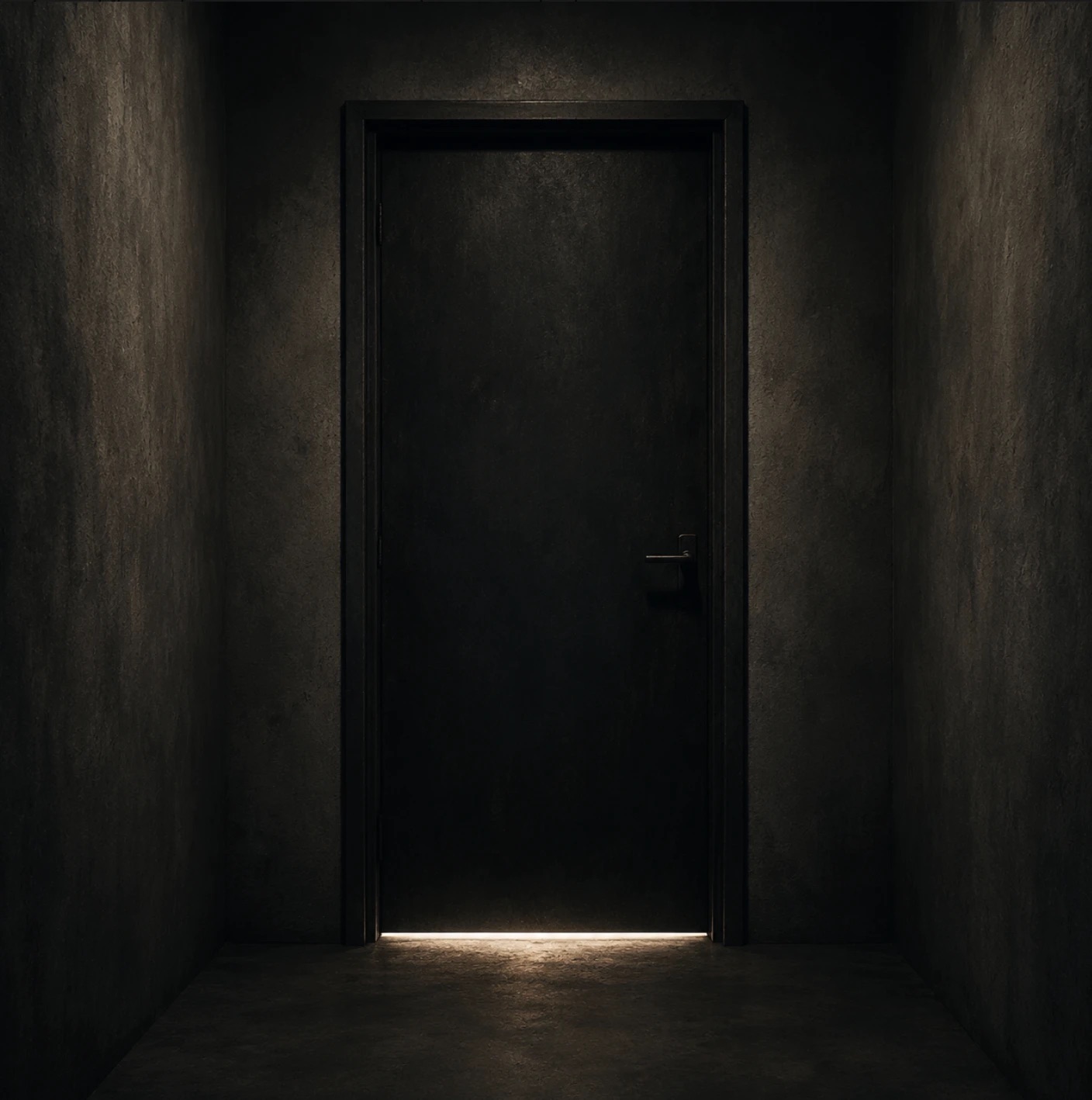
A closed door at the end of a dark hallway, with a thin sliver of light passing beneath it.

After an argument, a betrayal, or a disappointment, some people close the door for good — a form of estrangement. But what are we really protecting when we pass a final judgment on someone? A reflection on power, forgiveness, the identity of being wronged, and the possibility of seeing someone differently.

Read the full article →
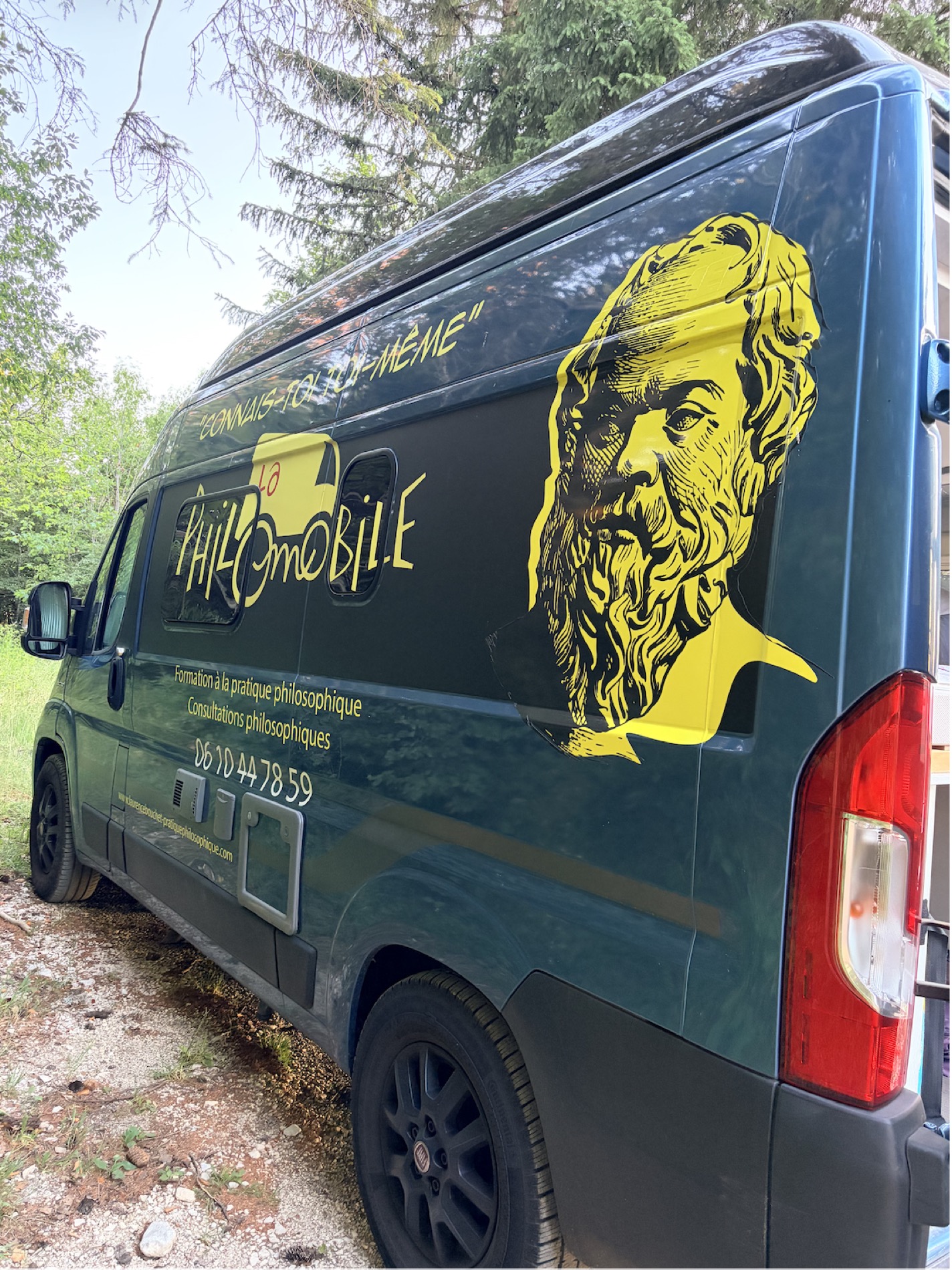
The Philomobile parked in a forest, with a portrait of Socrates and the motto “Know Thyself.”

This summer, the Philomobile hit the road again for a new kind of experience: traveling with a few companions, thinking together along the way, then offering passers-by a free, open invitation to talk and philosophize. From Franche-Comté to Lausanne, with Catalina, Corinne and Wei, this piece is about what these unplanned encounters put to the test — and what they reveal about ourselves.

Read the full article →
Can we educate our emotions?

In a philosophical practice workshop in Lausanne, participants distinguish the emotion itself — instinctive and beyond our control — from our relationship to it, which can be educated: observing it, naming it, understanding how it works. The article also explores the obstacles to this emotional intelligence, and why, in a Socratic workshop, emotions are not a nuisance but the very material of thinking.

Read the full article →
Reflections · November 28, 2025

Can We Educate Our Emotions?

Why do we so often do the opposite of what we know we should do?

In a philosophy workshop for adults, a demanding framework asks participants not to rush, to listen and to stop bringing the discussion back to themselves. This account tells of a tension with a participant who felt judged — and asks why we so often act against the values we claim, and what it means to observe and name without condemning.

Read the full article →
Breaking free from victim mentality: think, free yourself, act

Reading the manuscript of her friend Adja Bio Cécile, who recounts an Ivorian childhood marked by poverty without ever giving in to self-pity, the author questions, by contrast, our Western tendency to lock ourselves into a victim mentality in the face of far lesser hardships — and explores, with Spinoza and Socrates, how to get out of it.

Read the full article →
Is it better to expect nothing from others?

A staged dialogue around a provocative idea: should we expect nothing from others? Between the risk of approaching people only out of self-interest and the reality of our interdependence in family and friendship, this text explores what it really means to give without expecting anything in return.

Read the full article →
Reflections · February 19, 2022

Is It Better to Expect Nothing From Others?

What should we do with our ruminations?

Drawing on conversations with prisoners, teenagers and people close to me, this text examines what we ruminate on — disappointments, injustices, dark futures — and why these looping thoughts, which make us absent from what surrounds us, end up wearing out those we confide in. And why we shouldn’t try to get rid of them too quickly.

Read the full article →
Reflections · January 30, 2022

What Should We Do With Our Ruminations?

What do we learn when we make mistakes?

In a philosophy workshop at the village school of Lajoux, children aged 9 to 11 discuss what mistakes bring us: is it better to succeed quickly or slowly? Does cheating really give you self-confidence? A dialogue exploring the link between failure, effort and self-esteem.

Read the full article →
Reflections · February 8, 2021

What Do We Learn When We Make Mistakes?

“Know thyself”: working on our attitudes

Working on attitudes is what most unsettles people in philosophical practice: it is often uncomfortable, and playing Socrates doesn’t always win you friends… and yet it seems essential to me. Why thinking takes time, patience, humility and confidence.

Read the full article →
Reflections · December 11, 2019

“Know Thyself”: Working on Our Attitudes

Is philosophical practice a form of therapy?

Philosophical practice revives the exercises of ancient philosophy while coming close to today’s personal development. But can it really be called a therapy? This text asks who the “patients” would be, what it would cure, and what Nietzsche’s “great health” might mean — through two real cases of philosophical consultation.

Read the full article →
Philosophical Practice · April 30, 2016

Is Philosophical Practice a Form of Therapy?

GOING FURTHER

Is a question working on you?

A philosophical consultation is a way to examine it through demanding dialogue.